
Bar Categories and Product Fit
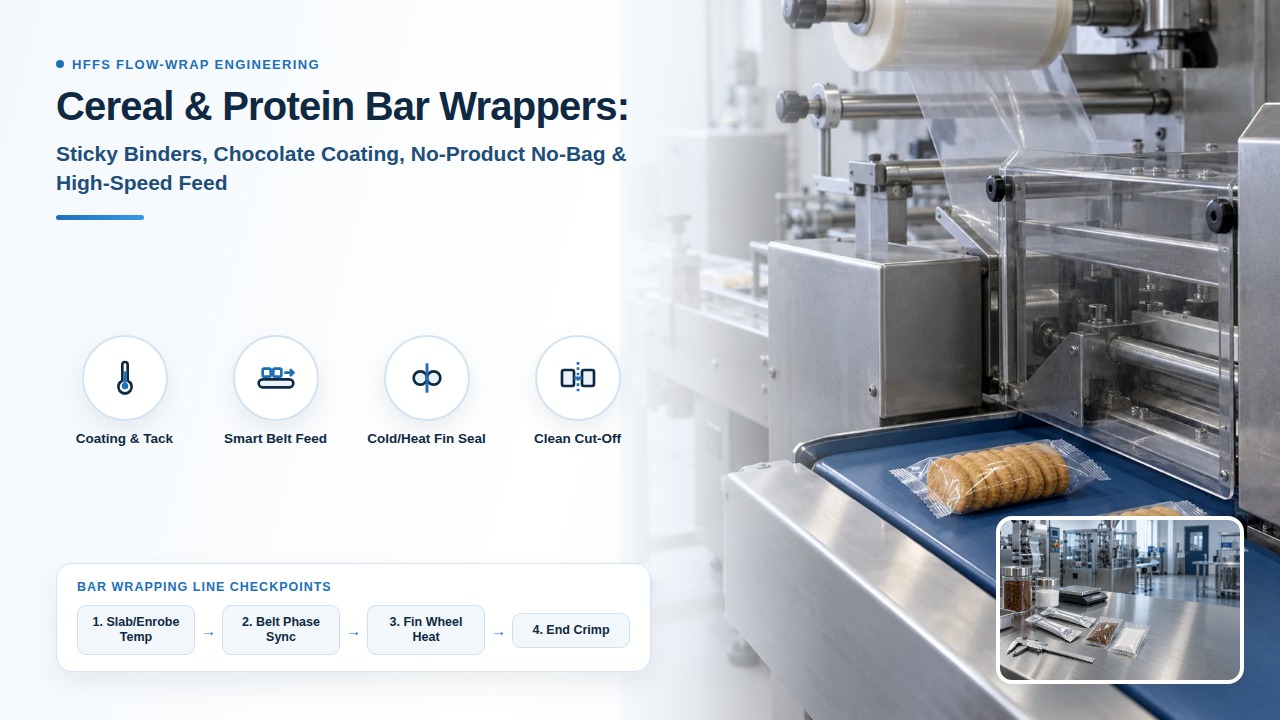
A cereal bar packaging machine needs to be assessed against the actual bar, not just its recipe category. For cereal, granola and protein bars, horizontal flow wrapping is a route to consider when a formed bar or prepared group can be conveyed into a film wrap. The main selection questions are how the bar tolerates contact, how it transfers and which film and seals suit the required pack.
Record whether the bar is pressed, baked or coated, and describe its condition at packing. A granola bar may shed pieces, while a soft protein bar may change shape or adhere to contact surfaces; check what your sample actually does. Loose cereal or granola filled into a bag is outside this page. The bakery and baked-product selector helps route adjacent baked snack products.
Syntegon's chocolate and bar packaging technical page treats health and nutrition bars as a handling application and describes distribution, feeding and multipack arrangements. Those examples show why the infeed belongs in the assessment. They do not verify any configuration offered here.
Sticky, Fragile and Coated Bars
Require a product trial for sticky or fragile bars. A claim of gentle handling does not establish whether your binder, coating or cut edge will release from a belt, guide, pusher or film. Send samples in the condition expected at the wrapper, including the normal variation after cooling or holding.
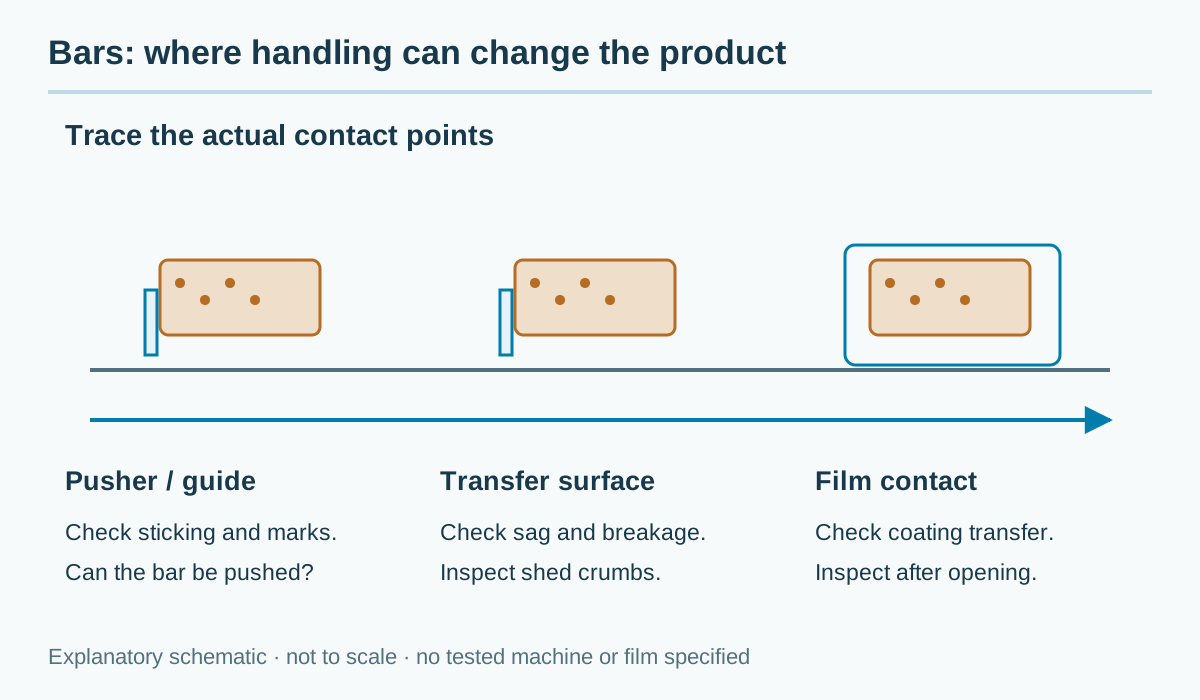
For a crumbly bar, agree how to inspect broken edges and loose fragments after feeding. For a sticky bar, inspect product release and residue over the agreed observation period, including restart behavior. For a coated bar, compare the surface before wrapping and after opening the pack. Define acceptable appearance in advance rather than relying on a closed-pack photograph.
Ask the supplier to explain the proposed support surfaces and contact sequence. Keep any proposed surface treatment, cooling step or special feeding arrangement marked for assessment until its suitability is demonstrated. No coating, product temperature or handling method is guaranteed by the category name.
Single Bars and Multipacks
Specify what enters the wrapper and what leaves it. One unwrapped bar in one retail pack is primary wrapping. Several unwrapped bars in one pack require a defined count and arrangement before sealing. An outer flow wrap around already wrapped bars adds collation and secondary wrapping requirements.
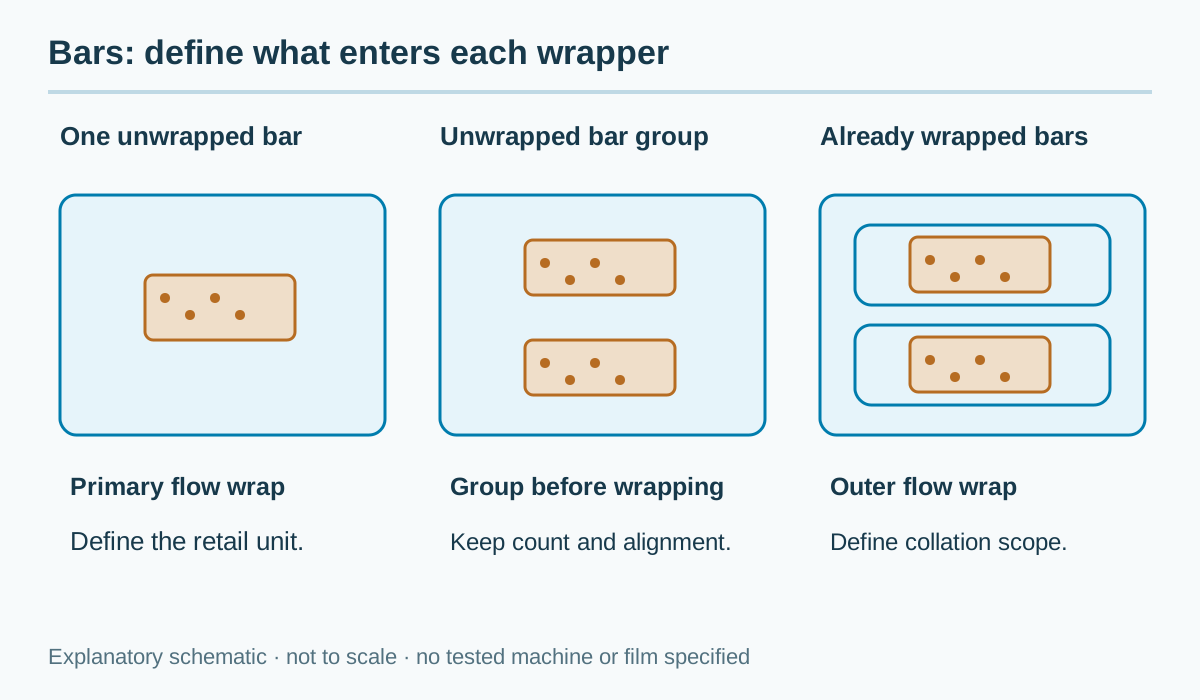
Show the arrangement in a photograph or sketch, including any tray or card. Ask who provides separation, orientation, counting and transfer. If the bars arrive in rows from another process, send a video showing that arrival pattern and interruptions. An automatic wrapper does not by itself establish an automatic bar distribution system.
Product Dimensions and Changeovers
Measure length, width and height across representative bars, including uneven cut ends, protruding grains and the thickest coating. State the dimensions of the entire group or support tray separately. Give the smallest and largest real formats and identify combinations that actually occur.
Ask the proposal to show how each format fits the infeed, former and sealing clearance. Record parts exchanged and adjustments needed for a changeover, including film and printed repeat changes. A stored recipe or servo-drive description does not prove that all the proposed formats can run on the same tooling.
Film, Sealing and Appearance
Send a film specification and samples of the intended printed or unprinted pack. Ask about product contact, required barrier properties, seal surfaces and opening behavior as separate requirements. The film and sealing guide explains the inputs to prepare before a film trial.
Syntegon's sealing and cutting guidance describes matching the sealing components to the product, film and process conditions. Use that principle to request a film-specific trial. Heat sealing and cold sealing require compatible materials and equipment; a heat-sensitive coating does not establish cold-seal availability or eliminate the need for testing.
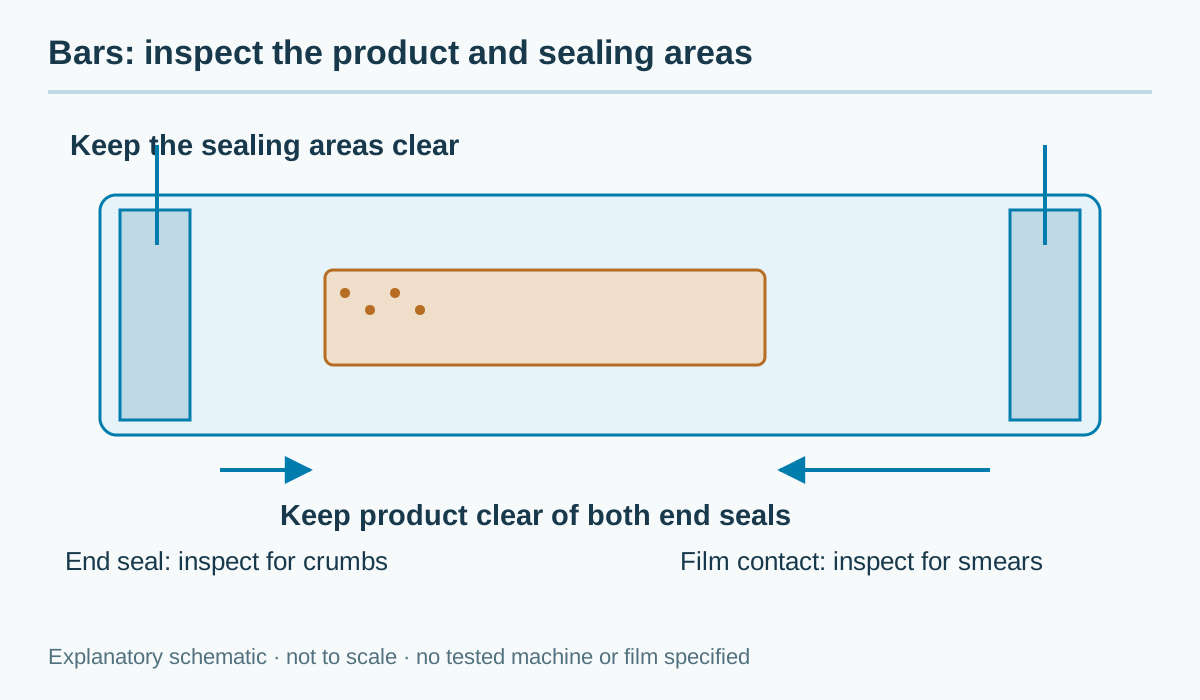
Agree checks for crumbs or product in the sealing area, distorted packs, print position and product appearance after opening. Visual appearance alone cannot establish seal integrity or shelf life. Confirm the inspection method and any storage or distribution evaluation needed for the actual bar and film.
Test Evidence and Project Scope
A useful trial record identifies the bar formulation or sample reference, packing condition, film, machine configuration, observation period and acceptance checks. Keep feeding losses, broken bars, film residue and rejected packs visible in the record. A short video of packs leaving the machine cannot establish sustained accepted output.
Specify the boundary between bar production, cooling or holding, distribution, primary wrapping and any secondary packaging. Identify responsibilities at each handoff and what happens when either process stops. Availability of upstream or downstream equipment needs written confirmation; this page does not establish a complete line offering.
Request a Bar Packaging Assessment
Discuss your bar samples on WhatsApp. Send bar photos, size extremes, packing condition, notes on sticking or breakage, the required pack unit, film details and an infeed video. Ask for the proposed trial scope and unresolved handling questions before comparing a machine quotation.
Can the same machine wrap cereal, granola and protein bars?
That depends on the actual formats, surface behavior, film and feeding arrangement. Assess each proposed combination and identify tooling changes and untested formats in the quotation.
Does an inverted wrapper guarantee that a sticky protein bar will release?
No. Film path is only part of the contact sequence. The actual bar needs a trial covering transfers, guides, film contact and residue under the agreed conditions.
Is a multipack the same as wrapping one bar?
No. Define whether the wrapper receives a group of bare bars or already wrapped bars. Grouping, counting and collation need their own scope and assessment.
Before you request a quote
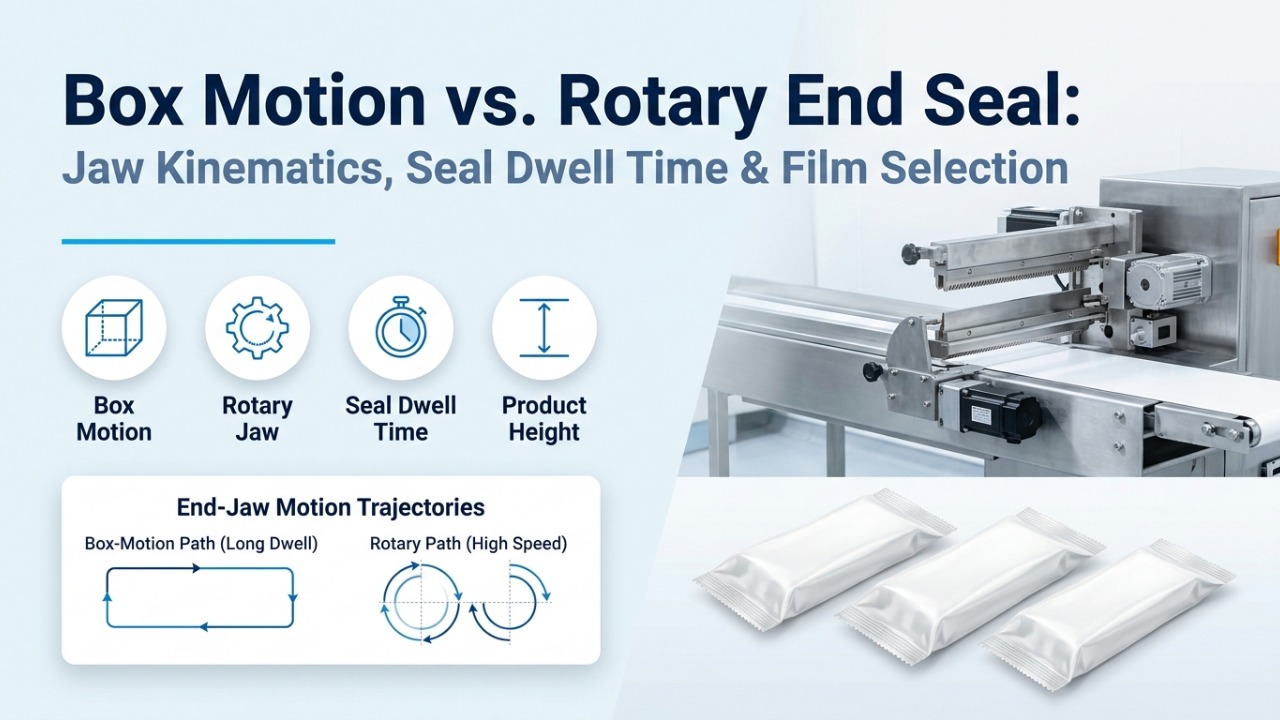
Compare Flow Wrapper Types and Configurations
Rotary or box motion? Top film or bottom film? Compare the feeding, film path and end-seal choices in a flow wrapper proposal.
Read more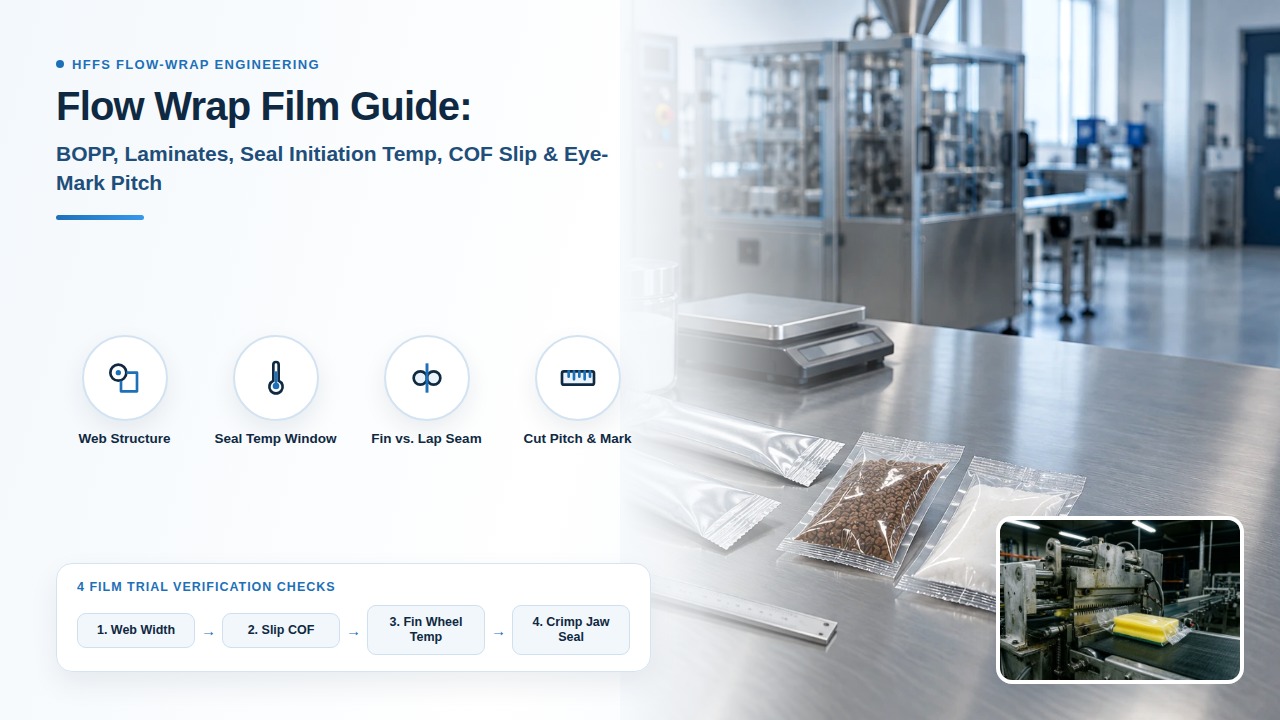
Choosing Flow Wrap Film for Your Product and Machine
Choosing flow wrap film starts with the product and required seal. Gather the film specification, reel dimensions and samples for compatibility testing.
Read more