
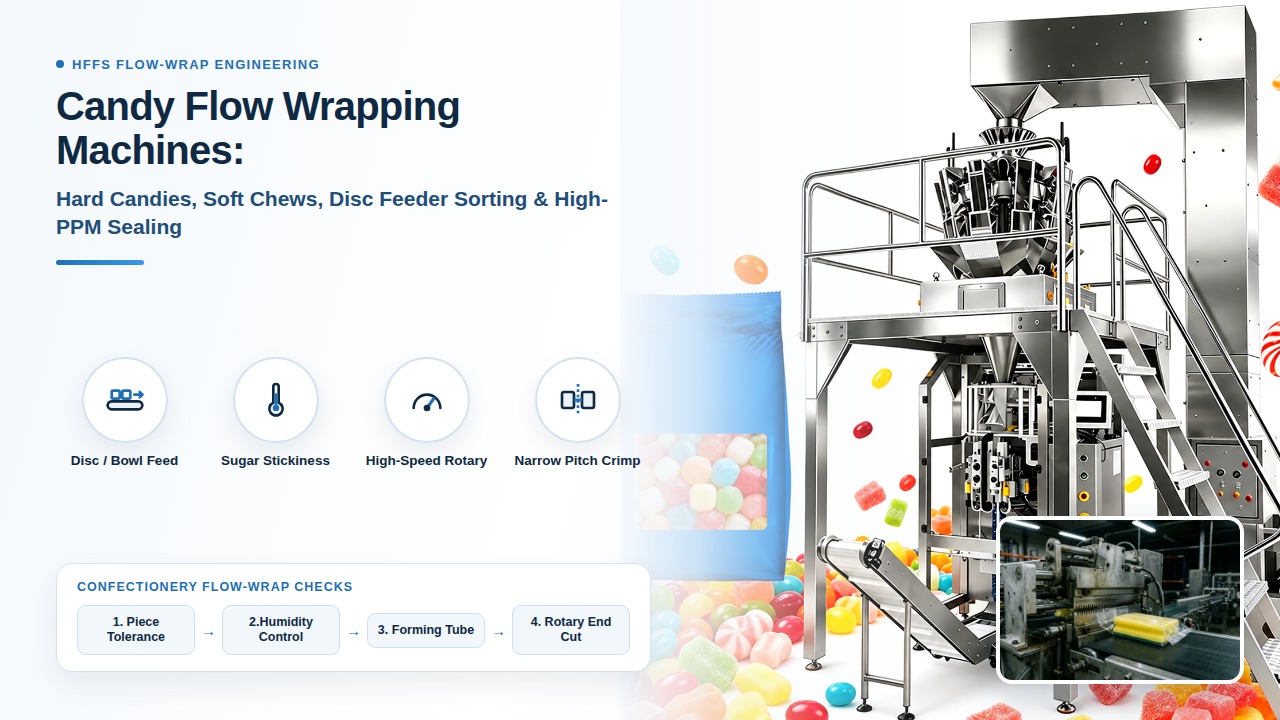
Which Candy Packaging Process Do You Need?
A candy packaging machine enquiry should start with the finished wrapper. This page covers horizontal flow wrapping of a solid candy piece, or a deliberately arranged group, inside a sealed film wrap. If you need twisted wrapper ends, powder or liquid stick packs, or loose candy filled into premade pouches, those are separate equipment routes.
Send photographs of both the candy and the desired package, opened and closed. The same candy category can be sold in several pack styles. Theegarten-Pactec's hard-candy and preformed-product technical range distinguishes flow packs from double-twist and other wrapping styles; that distinction matters before comparing a wrapper configuration.
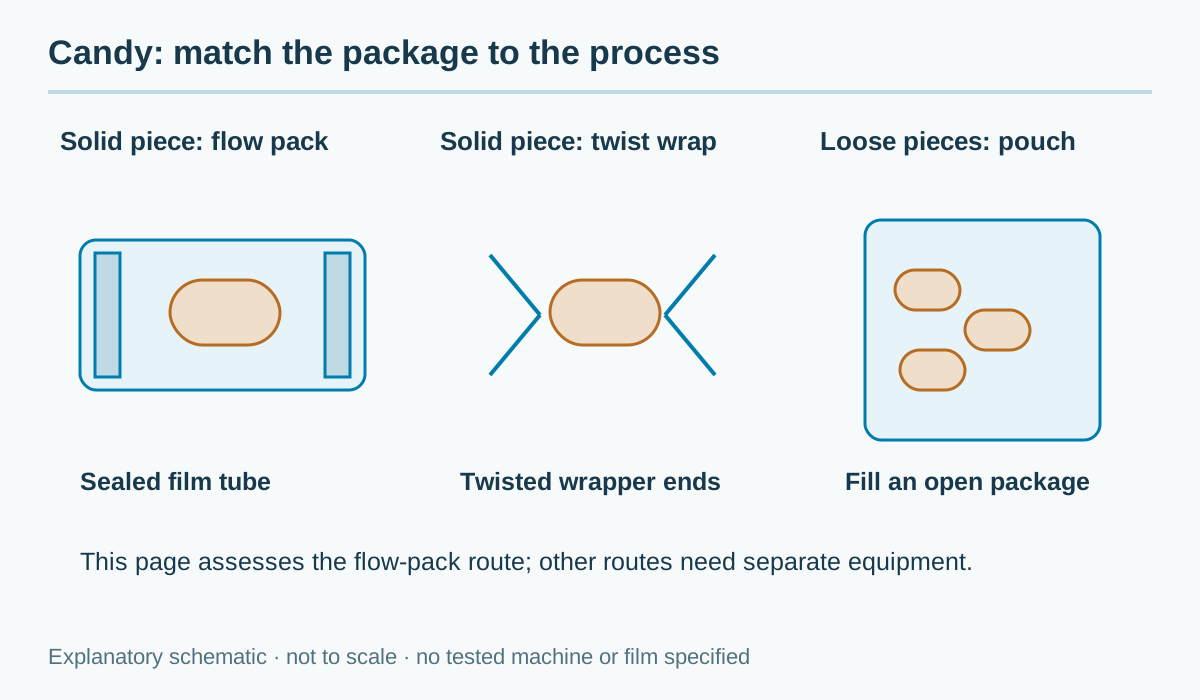
| Required package | Process question | Scope of this page |
|---|---|---|
| A sealed flow pack around a solid piece | Can the piece be supported, spaced and kept clear of sealing? | Product-and-film assessment |
| A flow pack around an arranged group | Who forms and maintains the group? | Assess the wrapper and define grouping separately |
| A wrapper with twisted ends | Is twist wrapping the required finish? | Separate route; not a flow-wrapper specification |
| Loose candy in a premade pouch | How are pieces dosed into an open pouch? | Separate filling and pouch-closing route |
| A narrow powder or liquid stick pack | What is being dosed and sealed? | Separate form-fill-seal route |
The flow wrapper configuration guide helps compare feeding, film path and end-sealing arrangements once the flow-pack route is established. The other routes above are process boundaries, not confirmed equipment offerings.
Flow-Wrapped Candy Formats
For a single piece, define its orientation and the intended opening method. For several pieces, show the count, arrangement and any tray or card. Specify whether the flow wrap is the first package touching the candy or an outer wrap around already wrapped pieces. Those formats require different preparation before the wrapper.
A solid piece does not have to be rigid, but it must be assessed in the condition it reaches the infeed. Theegarten-Pactec describes flow packing for hard candies and other preformed confectionery, including soft caramels and jelly products. That is evidence of an application category, not proof that any particular soft or sticky candy will run here.
Candy Shapes, Feeding and Film
Measure representative pieces at their actual size extremes. Include irregular edges, surface coatings and any stick or other projection in the information sent for review. Round or oval pieces need an assessment of orientation and rolling; soft pieces need an assessment of deformation and release. Do not assume that a candy suitable for a different wrapping process will transfer unchanged to flow wrapping.
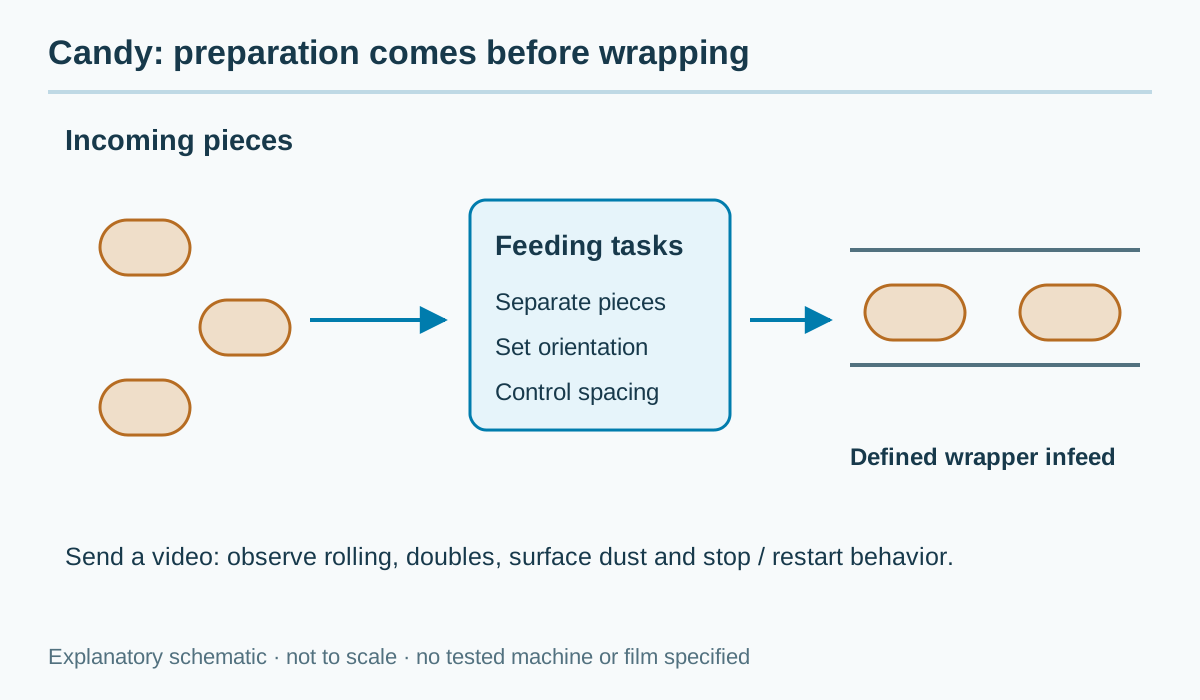
Photograph the surface and describe any sugar dust, oil, stickiness or coating. Ask how those traits affect contact surfaces, residue, cleaning access and the risk of material reaching seal areas. Include product temperature and holding conditions in the sample brief. A claim of gentle handling needs a demonstration with the actual candy.
For film, provide the material specification, intended product-contact side, print information and a sample pack if available. Ask the supplier to assess seal compatibility and the film's behavior around corners or projections. Treat barrier and opening requirements as explicit inputs. No film structure, sealing method or shelf-life result follows automatically from the word candy.
Chocolate and Candy Bars
Chocolate bars and candy bars have a separate chocolate and candy bar wrapping page, where coating temperature, surface appearance and film contact belong in the main assessment. Cereal, granola and protein bars belong in the formed snack bar guide.
For baked confectionery, use the bakery product selector to identify the appropriate product brief. Keep this page focused on solid candy pieces rather than treating every sweet product as the same feeding application.
Sample Tests and Scope Limits
Ask for a trial covering the actual candy, film and proposed infeed and sealing arrangement. Record sample identity, size variation, surface condition, product temperature, machine configuration and inspection conditions. Include handling after a stop and restart in the agreed assessment rather than judging only uninterrupted motion.
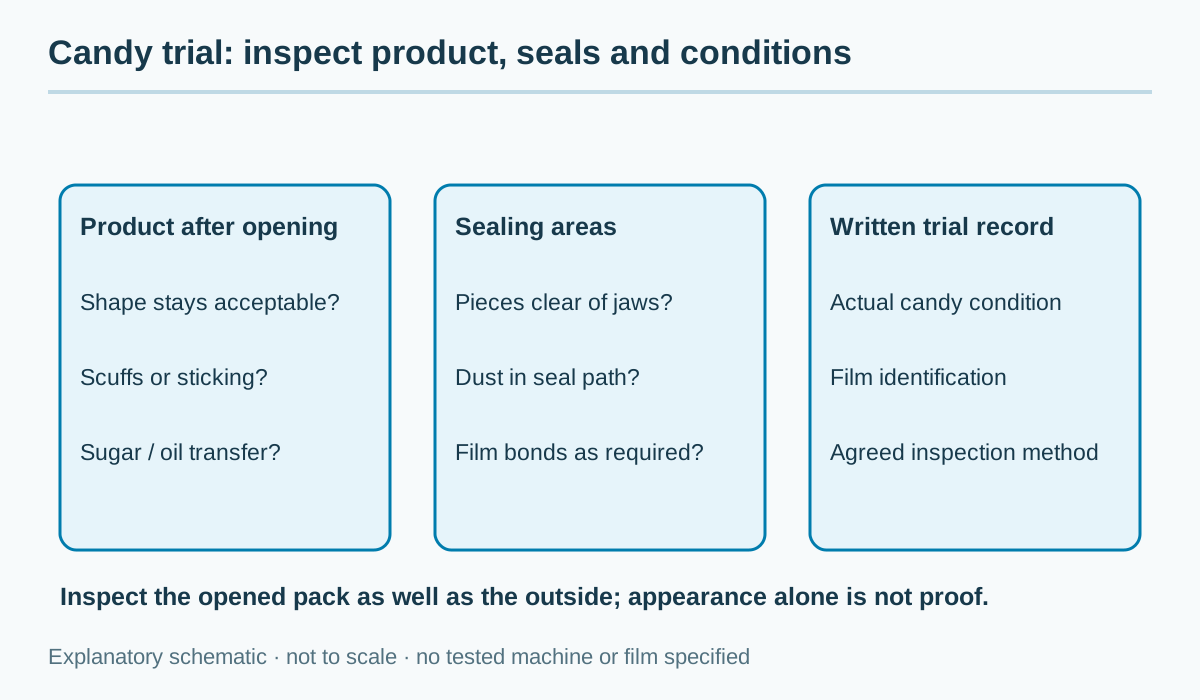
Agree what counts as unacceptable scuffing, sticking, deformation, broken pieces or misplaced candy. Inspect whether product or dust enters the sealing path and whether the completed seals satisfy the agreed method. Syntegon's sealing technical guidance identifies product, film and process parameters as linked choices. A clean-looking pack alone cannot verify seal integrity.
If a proposal includes automatic feeding, require a clear account of separation, orientation, grouping, transfers and reject handling. List each feature as included, optional, not offered or requiring a trial. This page confirms no twist wrapper, candy-making equipment, premade-pouch filler or stick-pack machine supply.
Get the Correct Packaging Route
Discuss your candy and pack style on WhatsApp. Send opened and closed package photos, candy size extremes, surface and temperature notes, pieces per pack, film information and a video of how pieces arrive. Ask first whether horizontal flow wrapping fits, then which handling and seal questions require a trial.
Is a candy flow wrapper the same as a twist wrapper?
No. A conventional flow pack uses sealed film around the product; twist wrapping forms twisted wrapper ends. Show the required finished package before comparing equipment.
Can soft or sticky candy be flow-wrapped?
Some preformed soft confectionery is flow-packed, but your candy needs assessment with its actual surface condition, film and handling sequence. No release or deformation result is guaranteed without an applicable trial.
Does this page cover filling loose candy into premade pouches?
No. Dosing loose pieces into an open pouch and closing it is a separate packaging route. This page covers a solid piece or prepared group carried through a flow wrapper.
Before you request a quote
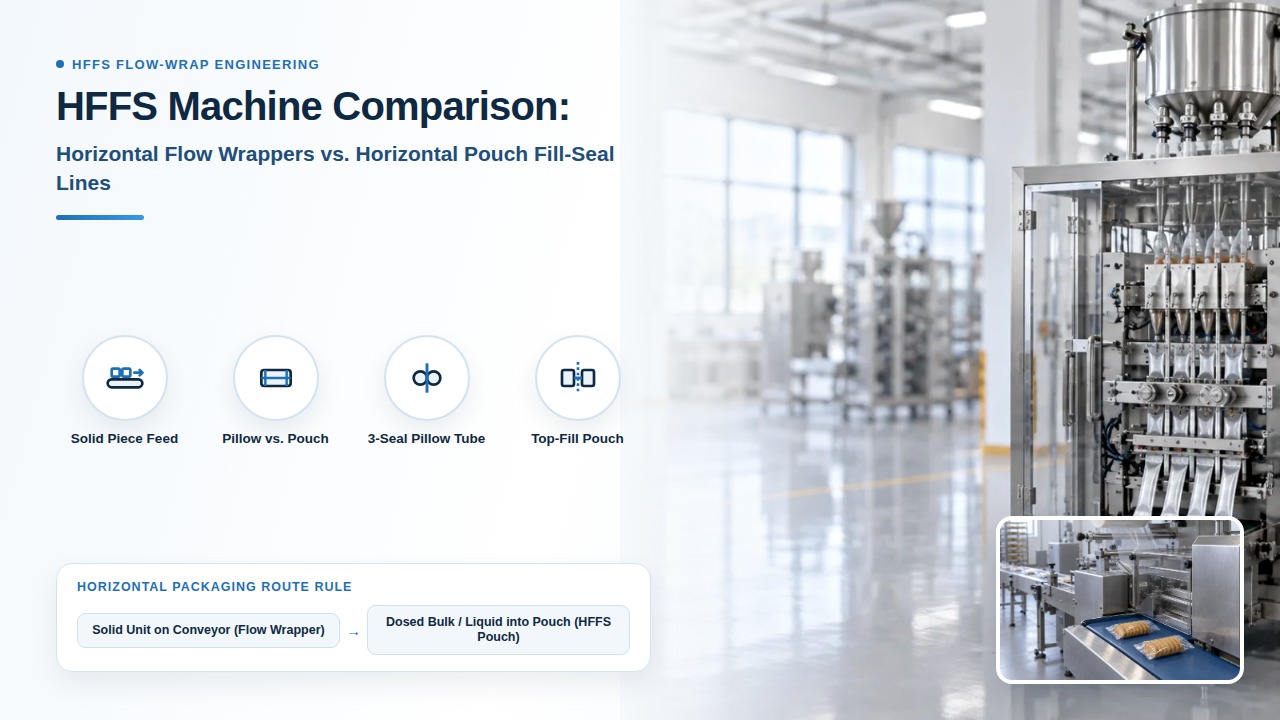
HFFS Machines: Choose the Right Horizontal Packaging Process
HFFS can refer to flow wrappers or horizontal pouch systems. Identify how your product enters the pack before comparing machine proposals.
Read more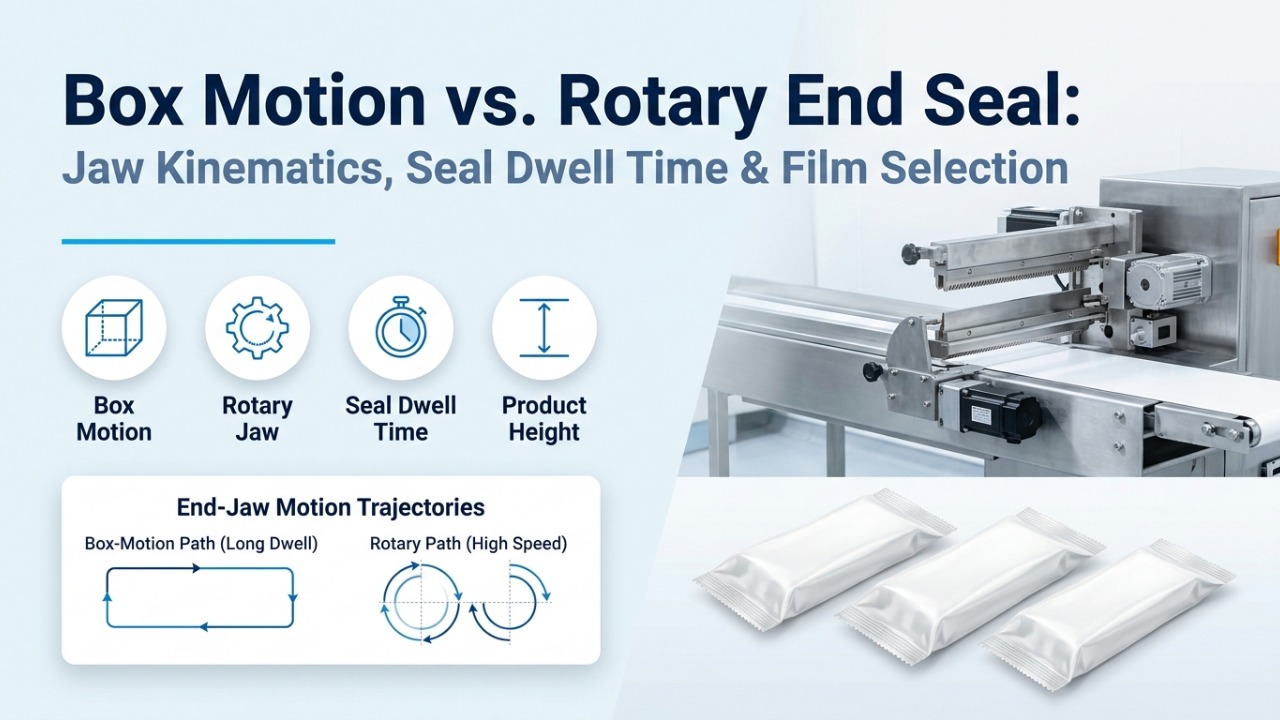
Compare Flow Wrapper Types and Configurations
Rotary or box motion? Top film or bottom film? Compare the feeding, film path and end-seal choices in a flow wrapper proposal.
Read more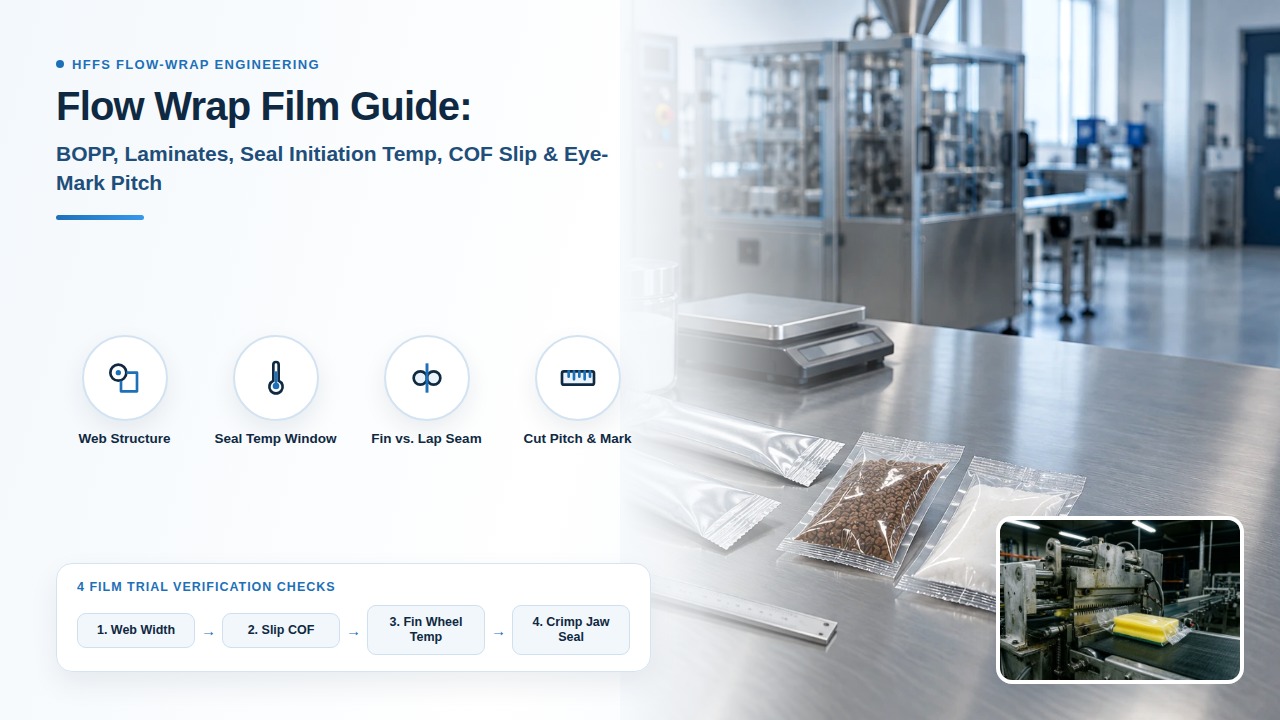
Choosing Flow Wrap Film for Your Product and Machine
Choosing flow wrap film starts with the product and required seal. Gather the film specification, reel dimensions and samples for compatibility testing.
Read more